For distribution contractors
Run the whole distribution job — pole set to closeout.
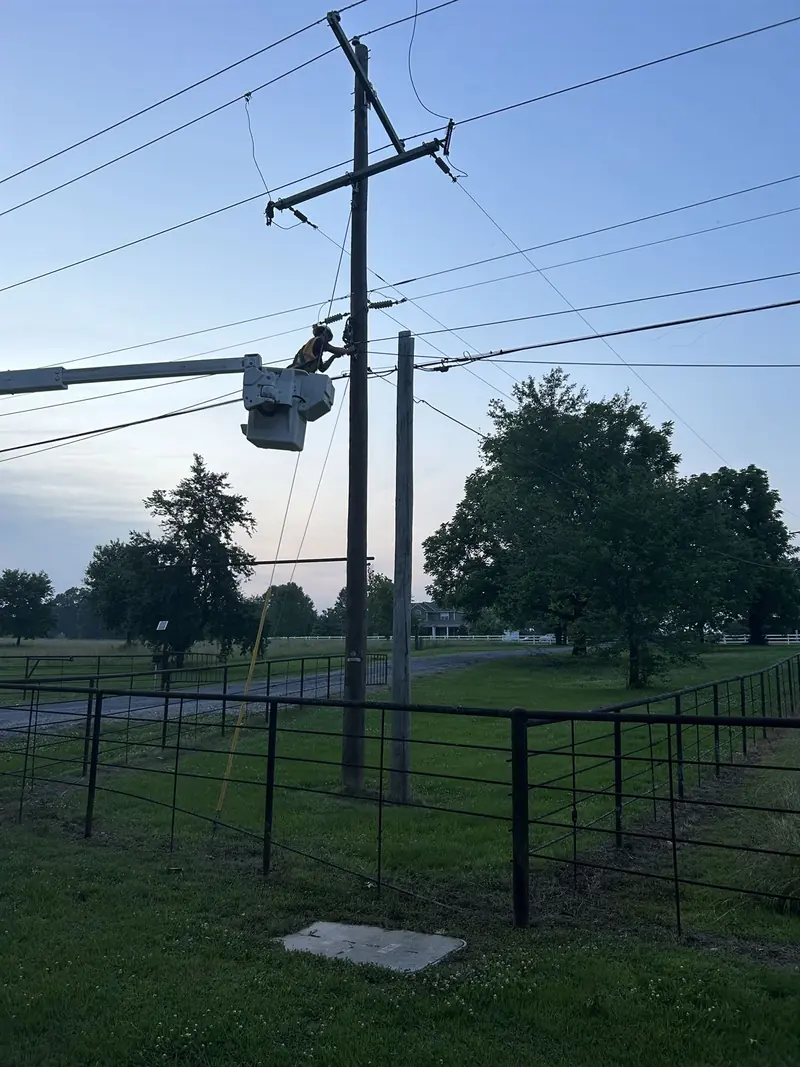
Transformers, reclosers, primary and secondary spans — tracked on live GIS with dispatch, energized-work JSAs, bucket-truck DVIRs, and the invoice coming off the same record the crew logs at the pole. Blue-sky or storm week.
The daily grind
Storm week progress lives in phone calls and a whiteboard at the yard
Bucket truck DVIRs sit in the glovebox until a DOT audit asks for them
The JSA that proves the hazard talk happened is a paper sheet in a truck somewhere
How LineMaps runs it
Storm restoration without the whiteboard
Damage markers and restoration work orders pin to the actual transformer or span, the field app keeps working when cell sites are down, and every photo comes back with timestamp and GPS burned in. NWS warnings overlay the map; every delay gets logged with the weather that caused it.
JSAs written for energized work
Work-type JSAs get the hazard conversation — cover-up, minimum approach, backfeed — documented before the bucket goes up, with toolbox talks and incident reports on the same record and TRIR calculated from actual clock-in hours. Switching orders and clearances stay with the utility; we don't pretend otherwise.
DVIRs that keep bucket trucks rolling
DVIR inspections on every bucket truck and digger derrick, tied to the fleet record — defects flagged, full history in one place instead of a glovebox. Vehicle assignments show who's driving what, and the equipment allocation tool checks the fleet against the crew plan — shortages flagged before mobilization, not after.
Units at the pole become the invoice
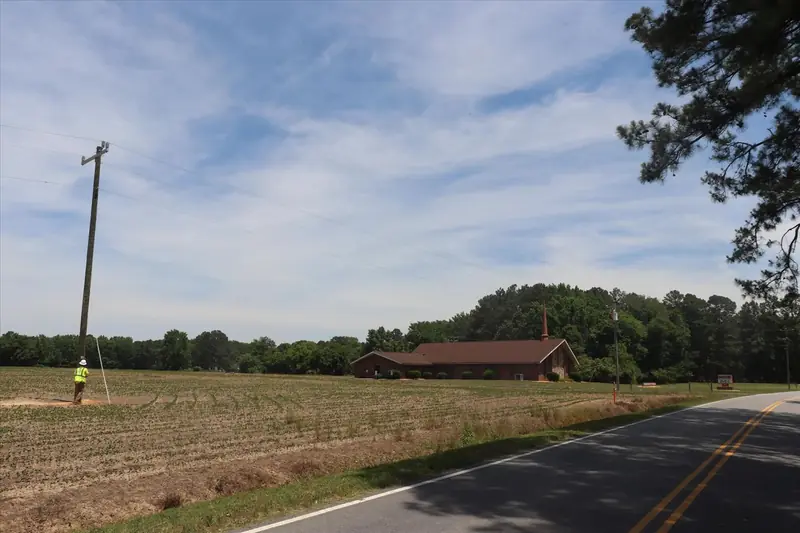
Poles set, transformers hung, conductor strung: units logged at completion hit your rate card automatically, with payroll-ready timesheets. Doing make-ready or pole transfers for the comms attachers? Same poles, same record.
On the map
Your assets, drawn as themselves.
Distinct icons and route styles per asset type, photographed and attributed in the field on live geospatial data — with as-built review and redlines when the build doesn't match the print.
- Poles
- Transformers
- Reclosers
- Fuses
- Primary & Secondary Conductors
- Service Points
- Streetlights
- Meters
- How many crews to re-conductor this feeder by the deadline?
- Enough bucket trucks to actually cover the plan?
- Overtime the crews you have, or roll another one?
One shared crew-and-production model — enter a rate once, every answer agrees.
Run your own numbers — free, in your browserPut your electric utilities work on one platform.
LineMaps goes live December 16, 2026. Every plan includes the whole platform, sized to your operation, and a real person who's built infrastructure reads every request, usually same-day.