From the first poleto the paid invoice.
LineMaps is the map, the work orders, the field app and the billing for crews building fiber, power, gas and water. What your crews record at the pole becomes the invoice your client pays.
The same tiles as the executive dashboard, running on a sample build.
One ticket, start to finish.
Follow one underground drop through LineMaps. Nothing gets typed twice, because every step adds to the same record.
Staked on the map
Bring in the engineer's design as a shapefile, KML or DXF, or drop pins yourself. Every pole, pedestal and drop is a real point on a live map your whole company shares.
Sent to a crew
Dispatch puts the ticket on a crew's phone with the address, the prints and the client's checklist. Foremen see the whole day on one screen and move work with a tap.
Closed out at the pole
The tech works through photos, footage and units right on the ticket. GPS and time stamp themselves, and everything saves offline until there is signal again.
Billed with proof
Finished units price themselves from your rate card. The invoice goes out with the evidence attached, and your client gets a read-only map link to check any job.
Most crews run a build across ten tools. You can run it on one.
Every gap between those tools is a re-keyed number, a missing photo or an invoice nobody can back up. LineMaps keeps all of it on one record, from the design file to the payment.
- Replaced: ArcGIS viewer seats
- Replaced: Excel production trackers
- Replaced: Paper maps in the truck
- Replaced: Radio and text-message dispatch
- Replaced: The safety binder
- Replaced: Warehouse clipboards
- Replaced: A separate fleet portal
- Replaced: A GPS app
- Replaced: Month-end payroll forensics
- Replaced: Five different logins
LineMaps
One login. One record. Every crew, ticket, photo and invoice.
Dispatch sees what the field sees.
Poles, routes, tickets and crews on one live map. Fiber, water, gas, electric, storm and roads each get their own symbols, and the map keeps working in rural dead zones.
This is the real map engine with sample data. Go ahead and click around.
Real crews. Real right-of-way.
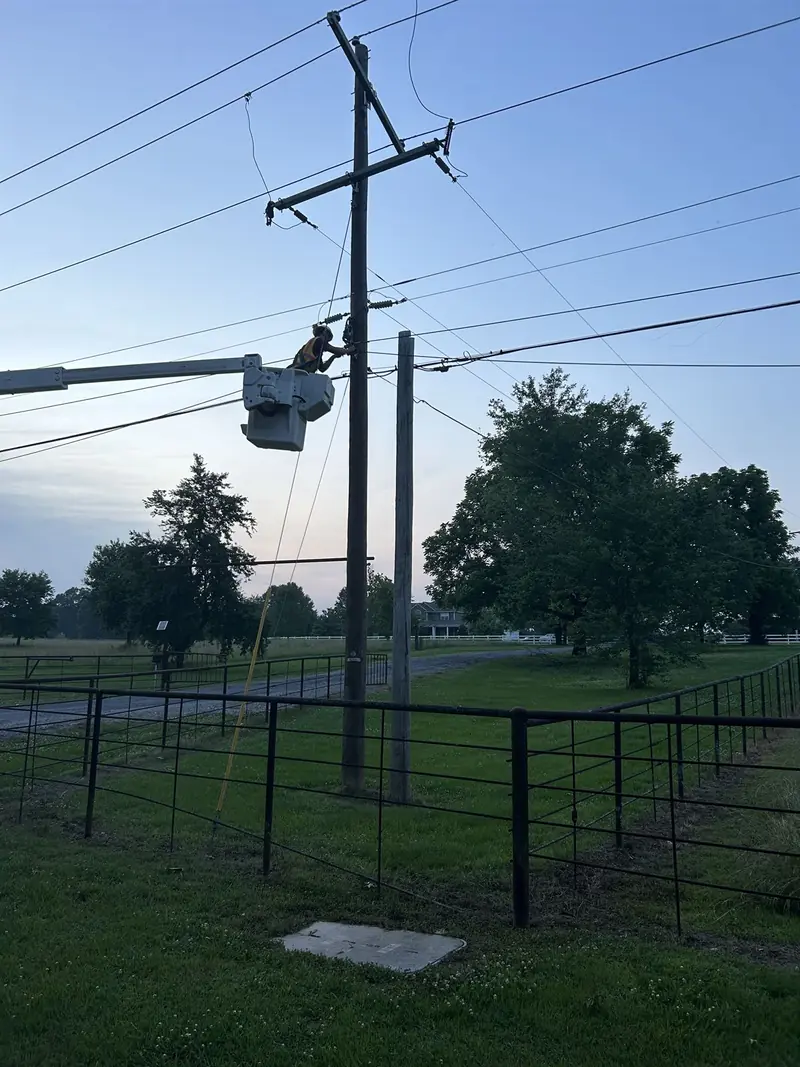
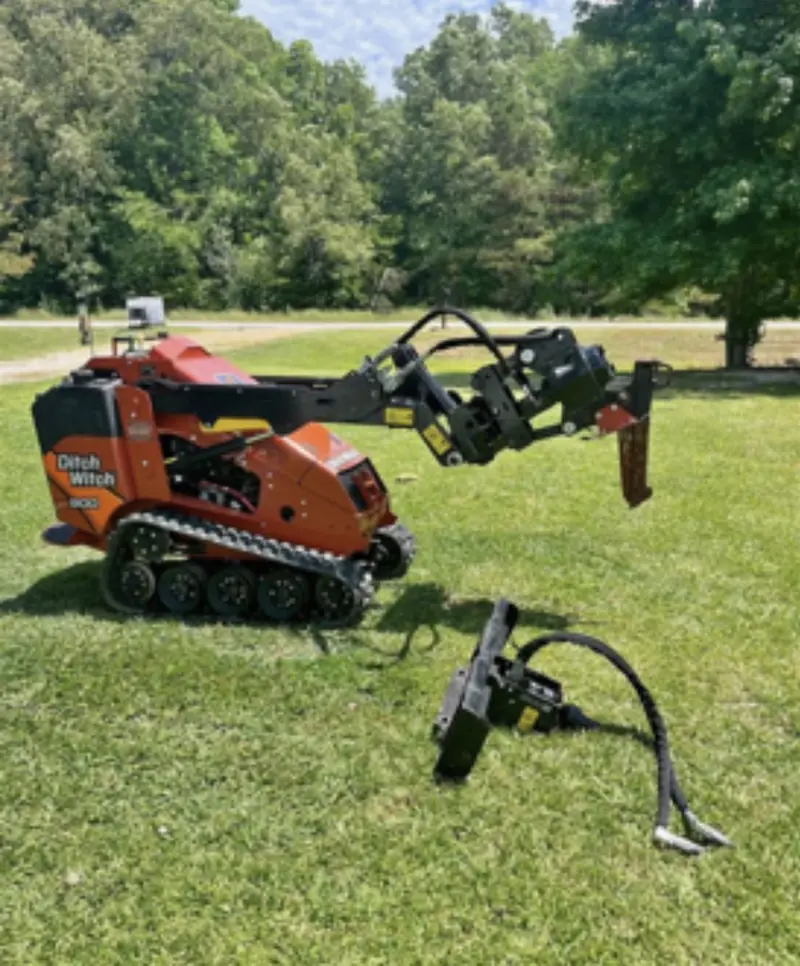
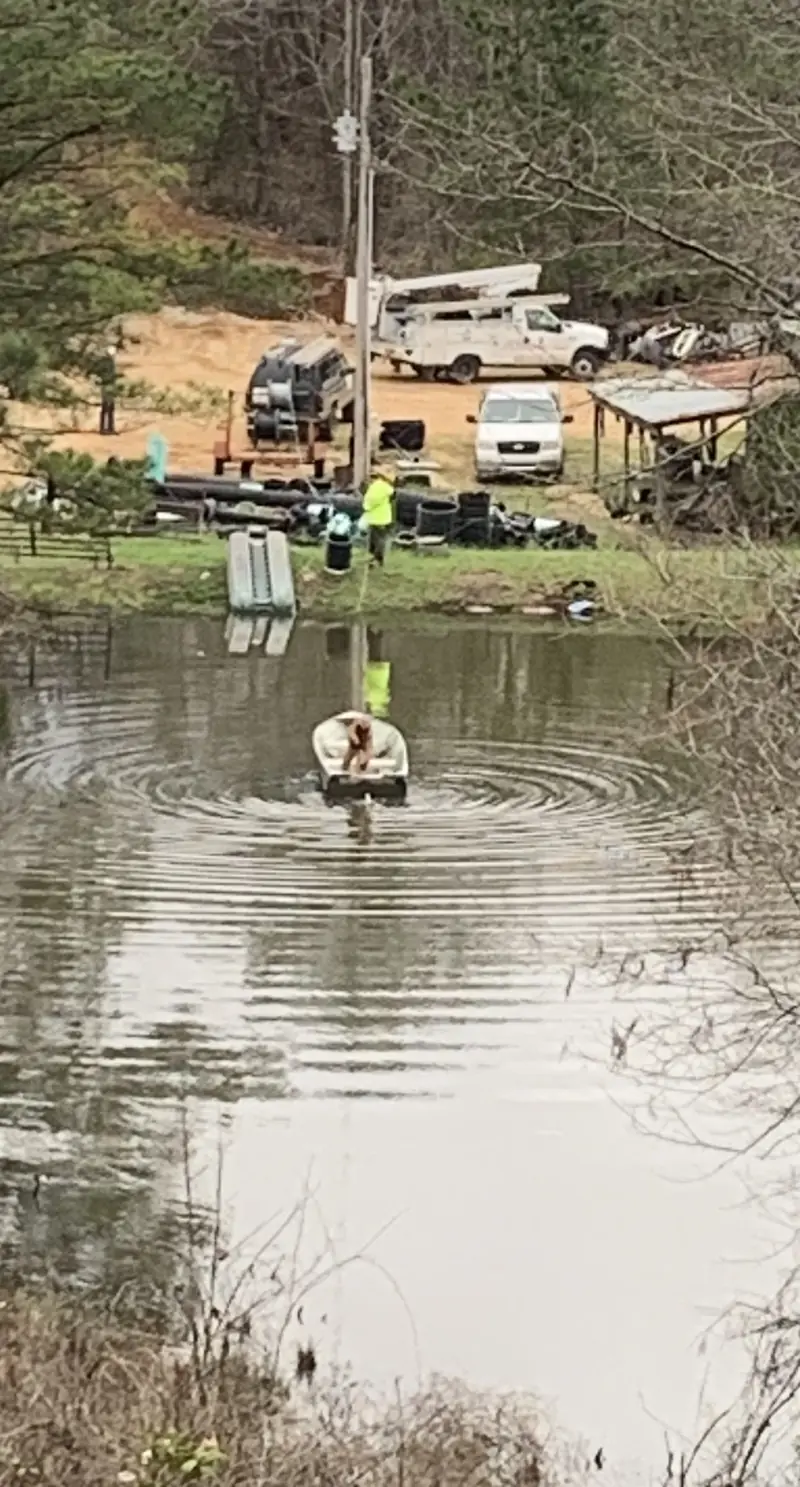
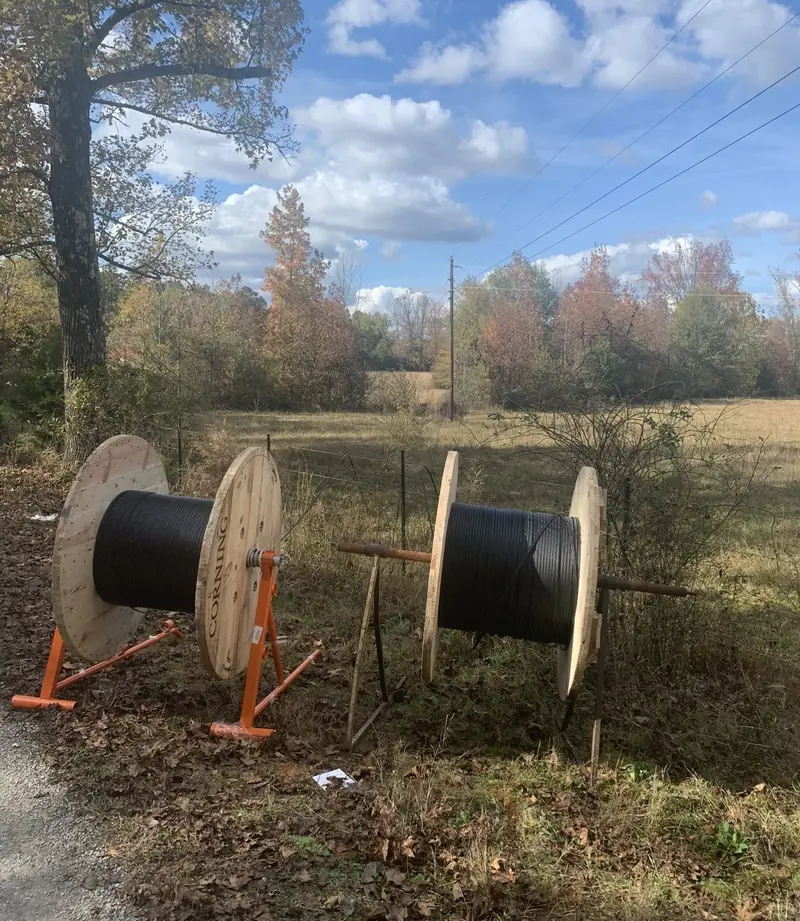
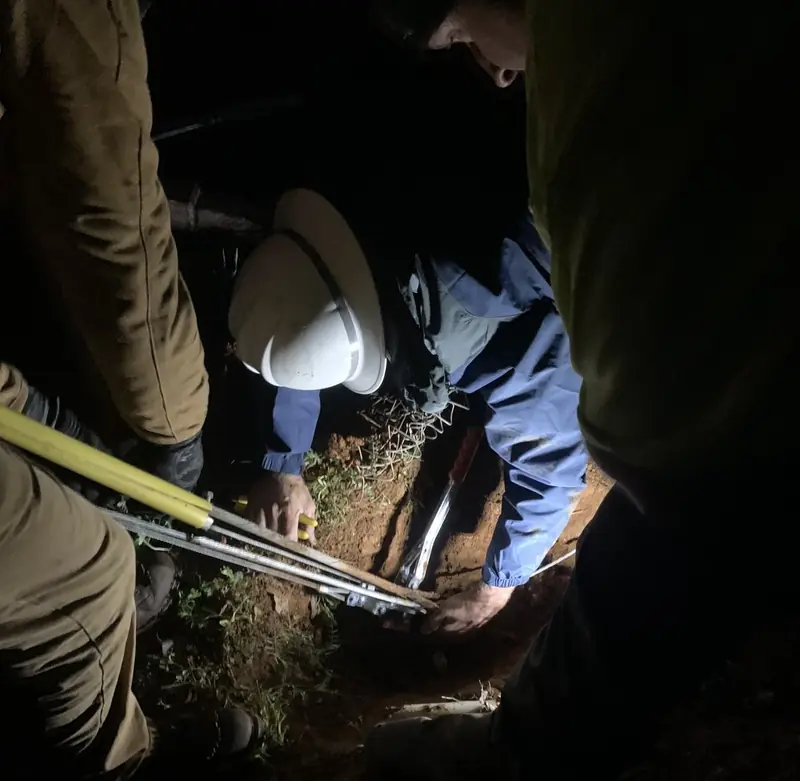
Every photo here is a real job by the contractor crews LineMaps was built with: aerial work at first light, plow days, survey in the rain, storm nights. It's the work LineMaps was made to keep on the record.

Price a crew in ten seconds.
This runs the same math as the platform's 15 planning tools, right in your browser. Put in your crew, wages, equipment and production to see a weekly run rate and cost per foot.
Runs entirely in your browser. We don't see your numbers unless you send them.
How that's calculated
- Loaded labor · 5 × $42 × 40 hrs × 1.35
- $11,340
- Equipment · per week
- $5,000
- Weekly crew cost
- $16,340
- Production · per week
- 21,000 ft
- Estimated cost per foot · $16,340 ÷ 21,000 ft
- $0.78
Estimates are planning aids and do not include every project-specific cost, risk, tax, overhead, mobilization, material, or contingency factor.
Whether you build it, own it or answer for it.
- Utility & Telecom ContractorsManage projects, crews, production, materials, safety, and billing.
- ISPs & Network OperatorsMaintain network records, oversee contractors, monitor construction, and manage ongoing operations.
- Municipalities & UtilitiesCoordinate assets, inspections, maintenance, capital projects, and emergency response.
Every utility that puts crews in the field
Work it was built on
LineMaps is designed and run by an OSP contractor on live fiber builds: FTTH, make-ready, pole transfers, splicing, drops, restoration, engineering and storm response. The workflows exist because a crew needed them on a job.
Read the storyRun your next build on one record.
LineMaps goes live December 16, 2026. Join the waitlist to hear the day we open, and get updates along the way if you want them.
Ready to talk now? Get a quote or see pricing. Every plan includes the whole platform.